What a Kitchen Remodel Really Costs in New Orleans
April 18, 2026 · 7 min read
The honest answer
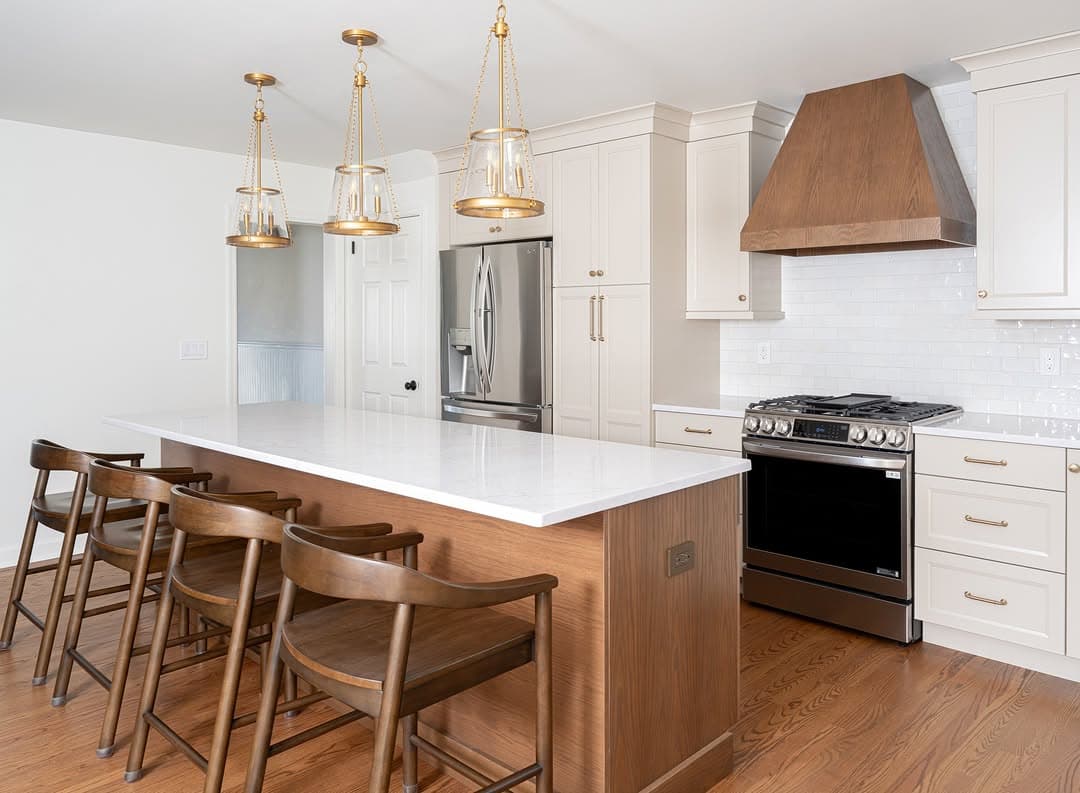
Kitchen remodels in Greater New Orleans break down into three tiers. A basic update — refreshed finishes within the existing footprint — runs about $32,000–$45,000. A mid-range renovation — new cabinets, stone countertops, appliances, tile, and updated mechanical work — lands between $55,000 and $80,000, where most full renovations fall. A premium remodel — custom millwork, professional-grade appliances, and a reconfigured layout — runs $100,000 to $145,000, and a full gut-and-rebuild in an older home can exceed $175,000.
If that range feels wide, it's because it is. And the reason isn't contractor pricing. The reason is the house.
What drives the cost
Cabinet and countertop selections
Cabinetry is typically the largest single line item in a kitchen budget. Semi-custom cabinets from a reputable manufacturer run $400–$700 per linear foot installed. Custom millwork — often the right choice in a historic home with irregular walls or unusual proportions — starts around $800 per linear foot and can exceed $1,500.
Countertops follow a similar spread. Quartz and granite in the $70–$120 per square foot range cover most of what gets installed here. Unlaquered brass hardware, honed soapstone, and hand-painted tile — materials we often recommend for character — add to the number but also add decades of satisfaction.
Appliance grade
A standard package from a mainstream manufacturer might run $8,000–$12,000 for a full complement. Professional-grade ranges, column refrigerators, and integrated ventilation systems can push that figure to $25,000 or more. Neither is wrong — it depends on how the household actually cooks and what the resale profile of the property looks like.
The stuff under the floor and behind the walls
This is where New Orleans kitchens diverge sharply from national averages.
The city's housing stock skews old. A 1920s double in Mid-City and a 1940s Creole cottage in Broadmoor both carry the same probability of surprises: knob-and-tube wiring that predates modern load requirements, galvanized supply lines pushing 80 years of scale buildup, sewer stacks that have been patched more than once. None of these are reasons not to remodel. They're reasons to budget for them honestly.
In our experience, roughly half of all kitchen projects in pre-1970 homes require some electrical panel upgrade or circuit addition. That work runs $3,000–$8,000 depending on scope. About a third require partial plumbing replacement. When we open a wall and find something that needs to be addressed, we stop, show you what we found, and give you options before we proceed.
NOLA-specific factors
Moisture and ventilation
The Gulf Coast climate puts real demands on kitchens. High humidity accelerates cabinet swelling, grout failure, and finish degradation if the materials and installation aren't right. We specify cabinet materials with moisture-resistant cores, use epoxy grout on floors, and treat ventilation as a structural concern rather than an afterthought. Getting this right adds a small amount to the initial cost and a significant amount to the kitchen's functional lifespan.
Flood-zone elevation
If your home sits in a flood zone, there's a case for treating the lowest 24 inches of a kitchen differently than what sits above it — tile rather than wood floors, moisture-resistant base cabinet material, easily replaceable lower-cabinet interiors. That kind of thoughtful specification doesn't increase total cost much, but it's the kind of decision that makes a real difference the one time it matters.
Permit and inspection fees
Orleans Parish requires permits for work involving electrical, plumbing, or structural changes. Budget $500–$1,500 for permit fees depending on scope. In historic districts — which covers a substantial portion of New Orleans — the Historic District Landmarks Commission may also have a say on exterior changes, including windows that face the street. We handle this process, but it affects the timeline and occasionally the design.
How to use these numbers
The most common mistake we see in budget conversations is treating national averages as a starting point and hoping the local factors average out. They don't. A $60,000 budget that would comfortably deliver a full kitchen renovation in a 2005 suburban home will run short in a 1930s Uptown double once the real scope emerges.
Our recommendation: start with your actual goals, then build the budget from the scope, not the other way around. When we do a consultation, we walk the space, look at what's currently there, and give you an honest range before you commit to anything. The purpose of that conversation isn't to sell you a larger project — it's to make sure you have accurate information before you decide what project to do.
A kitchen done right in a New Orleans home is one of the best investments a homeowner can make. The city's kitchens are lived in; they're the center of the household in a way that's different from most places. It's worth doing this one properly.